" width="9.068291117999998px"><path d="M 8.453 9.429 L 8.93 6.397 L 5.99 6.397 L 5.99 4.426 C 5.99 3.596 6.4 2.786 7.713 2.786 L 9.068 2.786 L 9.068 0.204 C 8.279 0.078 7.481 0.01 6.682 0 C 4.262 0 2.682 1.455 2.682 4.084 L 2.682 6.397 L 0 6.397 L 0 9.429 L 2.682 9.429 L 2.682 16.764 L 5.99 16.764 L 5.99 9.429 Z" fill="rgb(252, 234, 222)" height="16.763800000000003px" id="suM5WSgxM" width="9.068291117999998px"/></g></svg>)
" width="15.934691627807616px"><path d="M 3.617 15.244 L 3.617 4.958 L 0.201 4.958 L 0.201 15.244 L 3.618 15.244 Z M 1.91 3.554 C 3.101 3.554 3.842 2.764 3.842 1.777 C 3.82 0.768 3.101 0 1.933 0 C 0.764 0 0 0.768 0 1.777 C 0 2.764 0.741 3.554 1.888 3.554 L 1.91 3.554 Z M 5.508 15.244 L 8.924 15.244 L 8.924 9.501 C 8.924 9.194 8.946 8.886 9.036 8.667 C 9.283 8.052 9.845 7.416 10.789 7.416 C 12.024 7.416 12.519 8.359 12.519 9.742 L 12.519 15.244 L 15.935 15.244 L 15.935 9.347 C 15.935 6.187 14.25 4.717 12.002 4.717 C 10.16 4.717 9.351 5.748 8.901 6.45 L 8.924 6.45 L 8.924 4.959 L 5.508 4.959 C 5.553 5.924 5.508 15.245 5.508 15.245 Z" fill="rgb(252, 234, 222)" height="15.244799938201904px" id="FdxAsyCuK" width="15.934691627807616px"/></g></svg>)

School Project
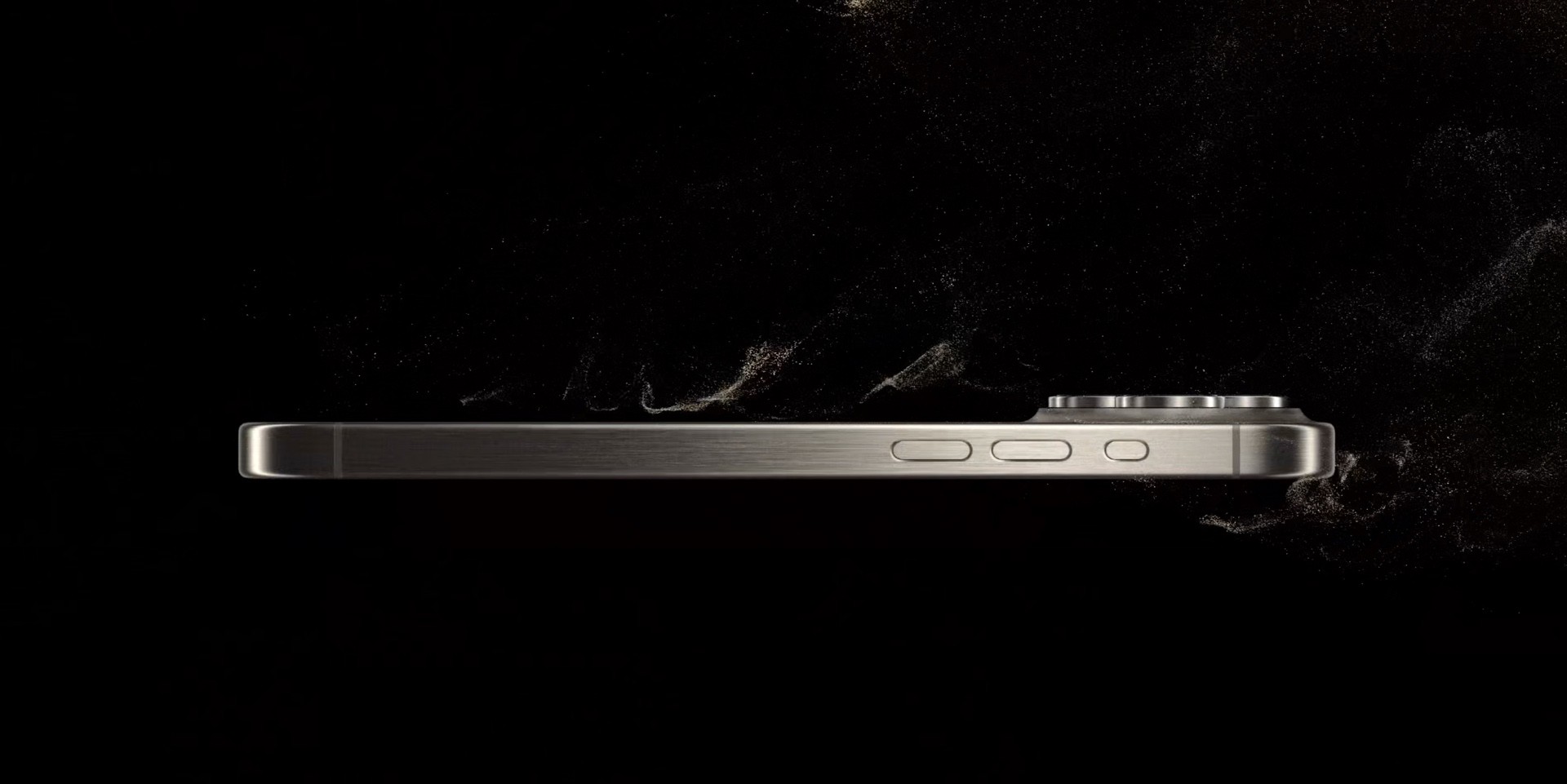
Apple's Pricing Problem
Everyone says iPhone is too expensive. I found a pricing strategy that makes people choose the premium one anyway

How Target's precision marketing turned an international student into a loyal customer, and what I learned from dissecting their entire strategy
When I arrived in Chicago as an international student from Myanmar, I literally needed to buy everything from scratch: groceries, household essentials, school supplies, all of it. I had zero brand loyalty in this market. I didn't know where to go.
I fell in love with Target from the first day of shopping there because their store layouts are the same as the famous supermarket company where I worked for nearly two years back in Myanmar. I felt at home immediately. But what kept me coming back wasn't nostalgia, it was how well Target's precision marketing started knowing me. They always send me coupons and exclusive promotions based on my actual buying behavior. After I became a Target Circle member, everything changed. The question I wanted to answer in this paper: how exactly does Target do this? And what can other brands learn from their precision approach?
Target segments and targets its customers based on four factors. I would say each layer feeds into the next, creating a system that gets smarter the more you shop:
Behind all of this, Target uses first-party cookies, website analytics, mobile app tracking, and email engagement data to build detailed customer profiles. Every time I scan my membership card, that data goes back into the precision engine.
In my experience, Target always sends me personalized offers right when I need to buy my monthly stuff. Even though my Customer Lifetime Value is only about two years (as a student), Target treats me like I matter. That's smart marketing. they're investing in the relationship now because they know my CLV will grow.
The new Target Circle 360 program is their answer to Amazon Prime. starting at $49/year before going up to $99. Members get unlimited free same-day delivery on orders over $35, free shipping, and extended returns. I would say this is classic precision marketing: create switching costs that feel like benefits instead of traps.
And here's something I noticed from personal experience. whenever I visit Target, I always end up buying unnecessary items. They're very good at add-on selling through store layout. They place complementary categories next to each other so you discover things you didn't know you needed.
The positioning play: Target positions itself as a higher-end discount retailer by blending style and value. They offer trendy, quality items at fair prices through exclusive partnerships with designers. That's what separates them from Walmart. you don't feel like you're compromising when you shop at Target.
Based on my analysis, I would say Target needs to enhance personalization at the headline level. not just which coupons to send, but how to frame the offer for each segment. I had a bad experience once where the promotion headline didn't match what was inside. That's a precision gap.
Also, customers are increasingly searching for brands that share their ethical and sustainable values. In Target's 2023 sustainability report, they talk about trying their best. but that messaging needs to reach individual shoppers through the same precision engine that sends coupons. The sustainability story should be personalized too, not just in a corporate report nobody reads.
The biggest lesson from studying Target so closely is the difference between a company that "uses your data" and one that "knows you." When Target sends me a coupon for something I was already planning to buy, it doesn't feel invasive. it feels helpful. That's the entire game. Precision marketing works only when the customer feels served, never watched. I bring that distinction to every data-driven campaign I build now. If the customer would feel creeped out instead of helped, you've crossed the line.